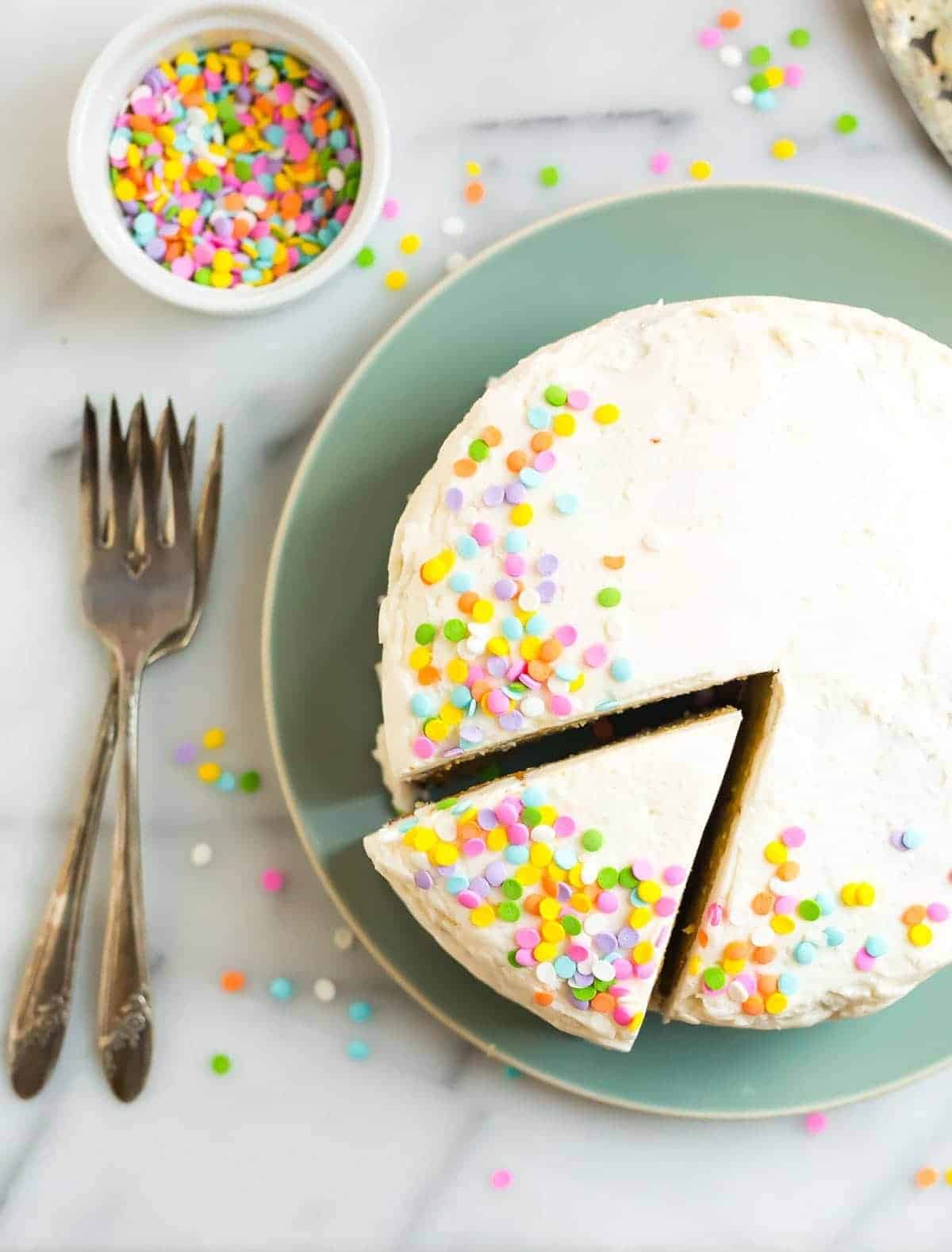
Bake Perfect Coconut Flour Cake: Essential Tips & No Substitutions
Embarking on the journey of baking a perfect coconut flour cake is a truly rewarding experience. For those navigating gluten-free diets, seeking healthier alternatives, or simply looking for a unique texture and flavor, the coconut flour cake stands out as a delicious contender. It promises a tender crumb, often a surprising richness, and a versatility that can adapt to a myriad of flavors, from classic vanilla to zesty lemon and decadent chocolate. However, baking with coconut flour is distinct from traditional flour, requiring a precise understanding and adherence to specific techniques. This guide will equip you with the essential tips to master this unique ingredient, ensuring every slice of your homemade coconut flour cake is nothing short of perfection.
The Unique Properties of Coconut Flour: Why Precision is Paramount
Coconut flour is a remarkable ingredient, but it's not your everyday all-purpose flour. Derived from dried, defatted coconut meat, it's a powerhouse of fiber, naturally gluten-free, and offers a lower carbohydrate count compared to grain flours. Its most defining characteristic, however, is its incredible absorbency. Coconut flour can soak up a substantial amount of liquid – far more than wheat or almond flour. This high absorbency is both its greatest asset and its greatest challenge.
This brings us to the golden rule of baking with this ingredient:
do not substitute coconut flour with any other flour. Seriously, resist the temptation! Unlike other gluten-free flours that might be somewhat interchangeable, coconut flour has a completely different ratio of ingredients required for a successful bake. Attempting to swap it one-to-one with almond flour, wheat flour, or even a gluten-free blend will inevitably lead to a dry, crumbly, or dense disaster. Recipes calling for coconut flour are meticulously developed to account for its unique properties, often requiring significantly more liquid and eggs than conventional recipes. If you're looking for an almond flour cake, seek out a dedicated almond flour recipe. The same goes for any other flour type. Trust the recipe developer who has already endured the trial and error – often over 20 variations – to get the texture and flavor just right.
Given its potent absorbency, precise measurement is crucial. Don't eyeball it. When measuring coconut flour, gently scoop your measuring cup into the bag until it's overflowing, then use the back of a knife or a straight edge to level it off perfectly. This ensures you're using the exact amount intended, preventing your cake from becoming either too dry or too wet.
Mastering the Art of a Moist Coconut Flour Cake
The fear of a dry, crumbly cake often deters bakers from experimenting with coconut flour. Yet, with the right approach, a coconut flour cake can be incredibly moist and tender. The secret lies in understanding its thirst for liquid and fat.
1.
Ample Liquid Content: Expect your coconut flour cake recipes to call for a surprising amount of liquid. This can come in various forms: water, milk (dairy or non-dairy like almond or coconut milk), fruit purées, or even just extra eggs. These liquids are essential for rehydrating the flour and creating a soft, pliable crumb.
2.
The Role of Eggs: Eggs are critical in coconut flour baking, serving multiple purposes. They provide additional moisture, act as a binder to hold the cake together (especially important in the absence of gluten), and contribute to the cake's structure and rise. Many coconut flour recipes will use more eggs than you might typically expect. Ensure your eggs are at room temperature for better emulsion and a smoother batter.
3.
Sweeteners and Moisture: Natural sweeteners like maple syrup and honey not only lend a delightful flavor but also contribute to the cake's moisture content. These liquid sweeteners, as opposed to granulated sugars, interact differently with coconut flour, helping to keep the cake soft and tender. The reference notes a beautiful hint of maple in some cakes, reminiscent of pancakes – a truly delightful bonus!
4.
Don't Overbake: Coconut flour cakes can go from perfectly moist to dry very quickly if overbaked. Keep a close eye on your cake as it bakes. Test for doneness using a toothpick inserted into the center – it should come out clean or with a few moist crumbs attached, but not wet batter.
For an even deeper dive into achieving that perfect, non-dry texture, you might find
The Secret to Moist Gluten-Free Coconut Flour Cake incredibly helpful.
Flavor Profiles: Beyond the Coconut (and into deliciousness)
While coconut flour does impart a subtle, often pleasant, coconut flavor, it's rarely overwhelming, especially when paired with other strong flavors. Many recipes are designed to let other profiles shine. The versatility of a healthy coconut flour cake means you can explore a range of delectable options:
*
Decadent Chocolate Coconut Flour Cake: A rich, deep chocolate flavor perfectly balanced by the subtle sweetness of honey, creating an indulgent yet surprisingly simple dessert. Serving it with whipped coconut cream and cocoa powder elevates the experience.
*
Classic Vanilla Coconut Flour Cake: A seemingly simple cake that surprises with its moist texture and aromatic vanilla essence. Often sweetened with honey, it turns out incredibly soft. Pairing it with whipped coconut cream and fresh berries adds an extra touch of indulgence. Some recipes even deliberately avoid coconut oil or milk to allow the vanilla to truly shine, highlighting the flour's ability to be a neutral base.
*
Zesty Lemon Coconut Flour Cake: Bright, zesty, and light, this flavor combination screams summer. It boasts a moist texture with a perfect balance of sweet and tangy flavors. Whipped cream or fresh berries are fantastic accompaniments.
*
Wholesome Blueberry Coconut Flour Cake: A guilt-free indulgence that's both easy to make and delicious. The bursting sweetness of blueberries complements the texture of the coconut flour beautifully, making it ideal for those seeking a healthier treat.
The beauty of baking with coconut flour is its adaptability. You can effortlessly infuse your cake with warming spices like cinnamon and nutmeg, incorporate nuts for added crunch, or layer it with various glazes and frostings. To spark more culinary inspiration, explore
Delicious & Healthy Coconut Flour Cake Flavors to Try.
Essential Baking Tips for Your Best Coconut Flour Cake
Beyond the specific properties of coconut flour, general good baking practices are even more critical when working with this unique ingredient.
1.
Room Temperature Ingredients: Always ensure your eggs and any dairy ingredients are at room temperature. This helps them incorporate more smoothly into the batter, leading to a more uniform texture and better rise.
2.
Gentle Mixing: While you need to ensure all ingredients are well combined and no lumps of flour remain, avoid overmixing. Overmixing can develop any potential residual toughness and can also incorporate too much air, which might then collapse during baking. Mix until just combined.
3.
Proper Pan Preparation: Coconut flour cakes can be delicate. Always grease and flour your baking pans (using another gluten-free flour or cocoa powder for chocolate cakes) or line them with parchment paper. This prevents sticking and ensures a clean release.
4.
Accurate Oven Temperature: An accurately calibrated oven is crucial. Use an oven thermometer to ensure your oven is truly at the temperature your recipe calls for. An oven that is too hot or too cool can drastically affect baking time and final texture.
5.
Cooling with Patience: Once baked, allow your coconut flour cake to cool in the pan for the amount of time specified in the recipe (usually 10-15 minutes) before inverting it onto a wire rack. This allows the cake to set fully and reduces the risk of it breaking apart. Then, let it cool completely on the rack before frosting or slicing.
Baking a perfect coconut flour cake is an art that combines scientific precision with a dash of culinary creativity. By understanding the unique characteristics of coconut flour – its high absorbency, its need for ample liquid and eggs, and the absolute necessity of no substitutions – you can unlock a world of delicious, healthier baking. Embrace these tips, be precise with your measurements, and don't be afraid to experiment with the vibrant flavor profiles available. You'll soon discover that a homemade coconut flour cake is not just a gluten-free alternative, but a truly delightful dessert in its own right, perfect for any occasion.