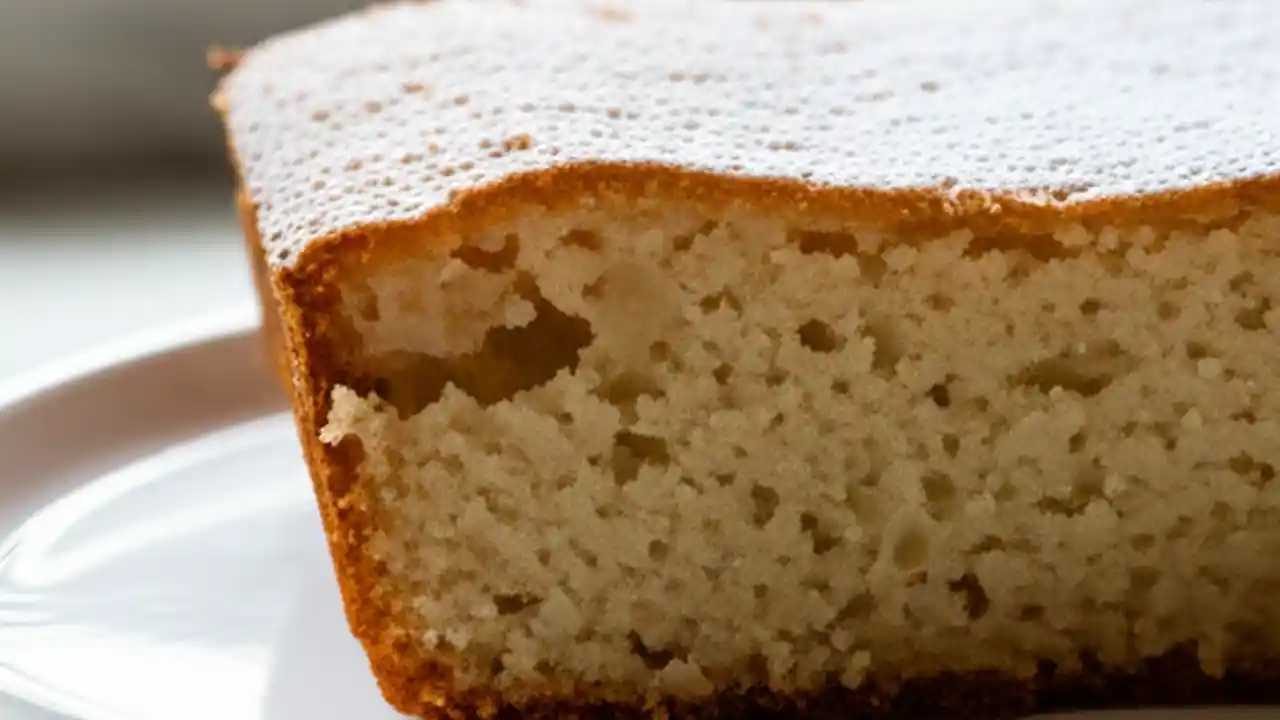
The Secret to Moist Gluten-Free Coconut Flour Cake
For anyone navigating the world of gluten-free baking, the quest for a truly moist and delicious cake can often feel like searching for a mythical creature. Dry, crumbly textures are a common pitfall, leading many to believe that indulgence is forever out of reach. But what if we told you there's a game-changing ingredient that consistently delivers on both flavor and moisture, all while being naturally gluten-free and packed with benefits? Enter the humble yet mighty coconut flour, and specifically, the coconut flour cake.
Far from being just another gluten-free alternative, a well-made coconut flour cake is a revelation. It's surprisingly rich, tender, and incredibly satisfying, proving that healthy eating doesn't mean sacrificing dessert. The secret lies in understanding this unique flour's properties and how to harness its power for optimal results. If you've been on a mission for a cake that's both wholesome and wonderfully moist, prepare to unlock the secrets to your new favorite dessert.
The Unique Magic of Coconut Flour in Baking
Coconut flour stands apart from traditional grain-based flours, and even other gluten-free alternatives like almond flour. Derived from dried coconut meat, it's an incredibly fine, soft flour known for its high fiber content and exceptional absorbency. These characteristics are precisely what make it a double-edged sword for the uninitiated baker:
- High Absorbency: Coconut flour acts like a sponge, soaking up liquids at an astonishing rate. This is fantastic for creating a tender crumb and adding structure without gluten, but it also means you need significantly less flour and much more liquid (and often eggs) than conventional recipes.
- Rich in Fiber: With a hefty dose of dietary fiber, coconut flour not only contributes to the cake's unique texture but also offers digestive benefits and promotes satiety. This makes your coconut flour cake a more satisfying and blood sugar-friendly treat.
- Gluten-Free & Paleo-Friendly: Naturally free of gluten, it's a perfect choice for those with celiac disease or gluten sensitivities. Its whole-food nature also aligns beautifully with Paleo and low-carb diets.
- Subtle Sweetness: Coconut flour imparts a delicate, naturally sweet flavor, often allowing for reduced added sugars in recipes. Surprisingly, the "coconut" taste in the finished cake is often quite subtle, allowing other flavors like vanilla or chocolate to truly shine. Many excellent recipes even intentionally omit coconut oil or milk to ensure the vanilla or other primary flavors are not overshadowed.
Understanding these fundamental qualities is the first step towards mastering the art of a truly moist and flavorful coconut flour cake.
Mastering the Art of a Truly Moist Coconut Flour Cake
Achieving that coveted moist texture in a gluten-free coconut flour cake isn't just about throwing ingredients together; it's about precision and understanding. Here are the pivotal tips that will transform your baking:
- Precision in Measurement is Paramount: This cannot be stressed enough. Coconut flour is not forgiving with approximations. If a recipe calls for one cup, it's often referring to a *packed* cup, but most professional recipes suggest measuring by scooping the flour into the measuring cup, getting a heaping amount, and then leveling it off with the back of a knife. Too much flour will result in a dense, dry cake, while too little could lead to a crumbly mess. Invest in accurate measuring cups and spoons, or even a kitchen scale for ultimate precision.
- Embrace the Extra Liquids (and Eggs!): Due to its incredible absorbency, coconut flour demands significantly more liquid than other flours. This typically translates to a higher ratio of eggs, milk (dairy or non-dairy), or other wet ingredients. Eggs are particularly crucial; they provide not just moisture but also structure and binding power in the absence of gluten. Don't be alarmed by recipes calling for 4-6 eggs for a relatively small cake – it's by design!
- Don't Overbake – Watch Closely: Coconut flour bakes relatively quickly, and overbaking is the fastest route to a dry cake. Start checking for doneness a few minutes before the recipe suggests. A good indicator is when a toothpick inserted into the center comes out clean or with moist crumbs attached, but not wet batter. The edges should be set, but the center should still feel slightly tender.
- Harness Natural Sweeteners for Texture and Flavor: Many coconut flour cake recipes utilize natural sweeteners like honey or maple syrup. Beyond providing sweetness, these ingredients often contribute moisture and a delightful depth of flavor. Maple syrup, for instance, can infuse a subtle, pancake-like aroma that's incredibly comforting and delicious, perfectly complementing the cake without an overwhelming "coconut" taste.
- Allow for Adequate Cooling: While tempting to dive in immediately, allowing your coconut flour cake to cool completely in the pan for a short while before transferring it to a wire rack is important. This allows the cake to set, firm up, and redistribute its moisture, resulting in a more stable and delicious final product.
By diligently following these guidelines, you'll be well on your way to baking a consistently moist and perfect coconut flour cake every time. For more in-depth strategies to perfect your baking, read our guide on Bake Perfect Coconut Flour Cake: Essential Tips & No Substitutions.
Exploring Delicious Coconut Flour Cake Variations
One of the true joys of mastering the coconut flour cake is its incredible versatility. Once you understand the basic principles, a world of flavors opens up. From classic comforts to zesty delights, there's a coconut flour cake for every craving and occasion:
- Chocolate Coconut Flour Cake: A true game-changer for chocolate lovers, offering a deep, rich cocoa flavor that's both indulgent and surprisingly wholesome. The subtle sweetness of honey beautifully balances the chocolate, making it perfect with a dollop of whipped coconut cream.
- Vanilla Coconut Flour Cake: The quintessential comfort cake. Simple, elegant, and aromatic, a good vanilla coconut flour cake is incredibly soft and moist. Serve it with fresh berries and whipped cream for an added touch of luxury.
- Lemon Coconut Flour Cake: Zesty and bright, this cake is perfect for spring or summer gatherings. The tangy lemon perfectly complements the coconut's sweetness, creating a light, refreshing, and incredibly moist dessert.
- Blueberry Coconut Flour Cake: For a guilt-free indulgence, baking fresh blueberries into your coconut flour cake adds bursts of juicy flavor and natural sweetness, making it a healthier choice for those sweet cravings.
These variations prove that gluten-free baking with coconut flour is anything but restrictive. Each offers a unique experience, all while maintaining that desired moist and tender crumb.
The Golden Rule: Never Substitute Coconut Flour!
Perhaps the most critical piece of advice for anyone baking with coconut flour is this: DO NOT substitute it with any other type of flour. This includes almond flour, all-purpose flour, or any other gluten-free blend. Coconut flour is an incredibly unique ingredient with an absorption rate that is vastly different from anything else on the market. A recipe specifically formulated for coconut flour has been meticulously developed to balance its absorbency with the correct ratios of liquids, eggs, and fats. Attempting a substitution will inevitably lead to disastrous results – typically a dry, crumbly, or overly dense cake that fails to rise properly.
If you're looking for a cake made with a different flour, seek out recipes specifically designed for that flour (e.g., an almond flour cake recipe). Trying to convert a recipe from one flour to another, especially with coconut flour, is a complex endeavor best left to experienced food scientists and recipe developers. Stick to trusted recipes that explicitly call for coconut flour, and you'll consistently achieve that wonderfully moist and tender outcome.
Conclusion
The secret to a consistently moist and delicious gluten-free coconut flour cake isn't really a secret at all, but rather a combination of understanding its unique properties and employing precise baking techniques. By respecting coconut flour's high absorbency, prioritizing accurate measurements, being generous with liquids and eggs, and avoiding the temptation to overbake, you can unlock a world of wholesome, flavorful, and incredibly tender cakes. Embracing coconut flour means embracing a healthier, naturally gluten-free approach to baking without ever compromising on the indulgence of a truly satisfying dessert. So, preheat your oven, grab your coconut flour, and prepare to be amazed!
